Step by Step Guide: Reviewing and Validating Contractor Schedules
Step-by-Step Guide: Reviewing and Validating Contractor Schedules
A Comprehensive Process for Ensuring Project Alignment and Performance
Introduction
Effective management of contractor schedules is paramount for successful project delivery, especially in complex projects where external parties play a significant role. This guide outlines a detailed, step-by-step process for Project Management Offices (PMOs) and project departments to review, validate, and analyze contractor-provided baseline schedules, subsequent revisions, and recovery plans. The aim is to ensure these schedules are realistic, compliant, and aligned with overall project objectives, thereby mitigating risks and supporting timely and within-budget completion.
This process emphasizes coordination, data quality, and proactive analysis to transform schedule review from a mere compliance check into a strategic control point.
Process Overview
The following flowchart illustrates the high-level workflow for reviewing and validating contractor schedules. Each step is detailed further below.
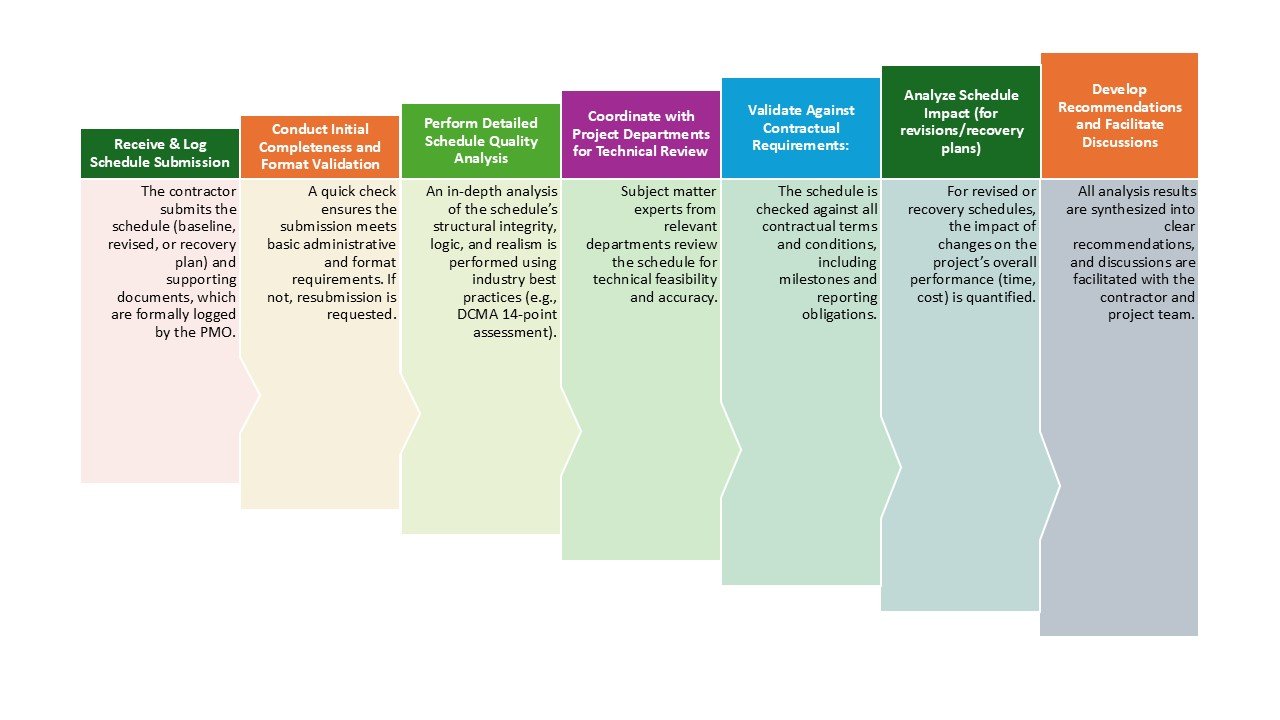
Figure 1: Contractor Schedule Review Process Flowchart
Step-by-Step Process for Schedule Review and Validation
Step 1: Receive and Log Schedule Submission
This initial step involves the formal reception and recording of the contractor’s schedule submission into the organization’s Project Management Information System (PMIS) or document control system.
Input:
- Contractor’s Baseline Schedule (initial submission).
- Contractor’s Revised Schedule.
- Contractor’s Recovery Plan.
- Supporting documentation.
- Contractor’s Log File Printout.
- Check Schedule Printout.
- Full Schedule Narrative Report.
- Schedule baseline in XML format.
Process:
- Formal Submission
- Logging
- Initial Acknowledgment
Output:
- Logged submission record.
- Formal acknowledgment sent to contractor.
Step 2: Conduct Initial Completeness and Format Validation (Including Preliminary Technical Check)
Before diving into detailed analysis, perform a quick check to ensure the submission meets basic administrative, completeness, and format requirements, including an initial assessment of the schedule quality reports.
Input:
- Logged schedule submission
- Submission guidelines
- Contractual requirements
Process:
- File format verification
- Mandatory element check
- Preliminary quality threshold check
- Data field population
Output:
- Initial Validation Report
- Fail/Proceed decision
Step 3: Perform Detailed Schedule Quality Analysis
The PMO performs an in-depth analysis of schedule structure, logic, and realism.
Input:
- Validated schedule
- Quality standards
- Analysis software
Process:
- Logic review
- Critical path analysis
- Float analysis
- Resource loading analysis
- Constraint analysis
- Duration realism
- Baseline comparison
Output:
- Detailed quality report
- List of schedule risks
Step 4: Coordinate with Project Departments for Technical Review
PMO collaborates with technical teams for feasibility and accuracy validation.
Input:
- Quality report
- Schedule
- Scope documents
Process:
- Distribution
- Review meetings
- Technical validation
- Feedback collection
Output:
- Technical feedback report
- Identified risks
Step 5: Validate Against Contractual Requirements
Ensure that the schedule complies with contractual obligations.
Input:
- Schedule file
- Contract documents
Process:
- Milestone verification
- Reporting compliance
- Methodology compliance
- Data requirements
Output:
- Compliance report
- List of deviations
Step 6: Analyze Schedule Impact
Quantify impacts of changes on performance, time, and cost.
Input:
- Submitted schedule
- Approved baseline
- Progress data
Process:
- Variance analysis
- Trend analysis
- Impact assessment
- Risk re-assessment
Output:
- Impact analysis report
- Updated risk assessment
Step 7: Develop Recommendations and Facilitate Discussions
PMO consolidates findings and facilitates discussions with stakeholders.
Input:
- All analysis reports
- Project objectives
Process:
- Consolidate findings
- Formulate recommendations
- Facilitate review meetings
- Discussion and negotiation
- Clarification and agreement
Output:
- Recommendations document
- Meeting minutes
Step 8: Formal Approval/Rejection and Update Project Records
Formalize the approval decision and update all project records.
Input:
- Recommendations
- Revised schedule
- Governance framework
Process:
- Obtain decision
- Formal acceptance
- PMIS update
- Communication
- Archiving
Output:
- Approved/rejected schedule
- Updated PMIS
- Archived documentation
Conclusion
The rigorous review, validation, and analysis of contractor schedules are indispensable functions for any PMO aiming to ensure project success. By following a structured, detailed process, organizations can proactively identify potential issues, ensure contractual compliance, and maintain alignment with strategic objectives. This systematic approach not only mitigates risks but also fosters a collaborative environment with contractors, leading to more predictable and successful project outcomes.